
mirror on closet door
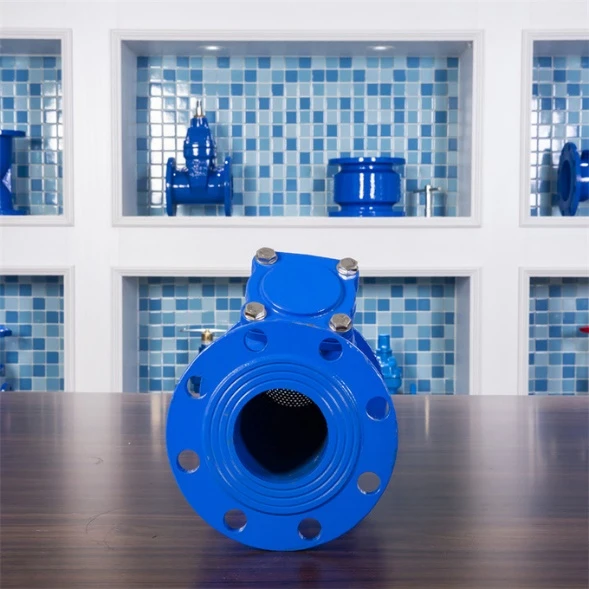
Water valves are essential components in various plumbing systems, controlling the flow of water in residential, commercial, and industrial applications. These valves come in several types, each serving specific functions and offering different advantages. Understanding the various types of water valves is crucial for efficient plumbing design and maintenance. One of the most common types of water valves is the gate valve. This valve operates like a gate that lifts to allow water flow and descends to block it. Gate valves are primarily used in applications where a straight-line flow of water and minimal pressure loss are required. They are ideal for on/off control but are not recommended for throttling applications since partial opening can cause erosion over time. . Then we have the ball valve, known for its durability and ability to provide a tight seal. The valve uses a spherical disc that rotates to control water flow. Ball valves are excellent for quick shut-off and are widely used in various applications, including plumbing, heating, and gas services. Their straightforward design and reliability make them a popular choice among professionals. water valve types The check valve is another critical type designed to prevent backflow in the system. These valves allow water to flow in one direction only, ensuring that the system remains pressurized and preventing the risk of contamination from backflow. They are commonly used in water supply systems and pumps to maintain efficiency and safety. For applications requiring automatic control, solenoid valves offer an effective solution. These electrically operated valves can be programmed to open or close based on specific signals, making them essential in automated irrigation systems and appliances. Lastly, pressure relief valves play a crucial role in safeguarding plumbing systems. These valves automatically release excess pressure to prevent pipeline damage, ensuring the system operates safely and efficiently. In conclusion, selecting the right water valve type depends on the specific needs of the plumbing system. Each type—gate, globe, ball, check, solenoid, and pressure relief—comes with unique features that serve different functions. Understanding these valves allows for more efficient water management and contributes to the longevity of plumbing installations.
about
mirror on closet door
Understanding the Main Water Valve in Your Home The main water valve is a critical component of any home's plumbing system. It serves as the primary control point for the flow of water into your house, allowing you to regulate water supply and ensuring safety and efficiency. Understanding its function and the importance of knowing its location can save you from potential disasters and help you maintain your home effectively. What is the Main Water Valve? The main water valve is a valve that controls the water supply entering your home from the municipal water line or a private well. Typically found in basements, crawlspaces, or on exterior walls close to where the water line enters the house, this valve is essential for various reasons. It is often a gate valve or a ball valve, both of which operate differently but ultimately serve the same purpose managing water flow. Why is it Important? 1. Emergency Situations Knowing the location of your main water valve is crucial in emergencies, such as burst pipes or severe leaks. In such cases, shutting off the water quickly can minimize damage to your property. Water damage can be costly and time-consuming to repair, so immediate action is imperative. 2. Maintenance and Repairs If you are planning plumbing work or home renovations that require turning off the water supply, accessing the main water valve is necessary. Regular maintenance checks on your valve can help ensure it operates smoothly, reducing the risk of failure when you need it most. 3. Preventing Water Waste If you discover a slow leak in your plumbing system, shutting off the main valve can halt the water waste. This gives you time to arrange for repairs while also conserving water. main water valve in house How to Locate and Operate the Valve To find the main water valve in your home, start in the basement or crawlspace. Follow the water supply line from the exterior of your home. If your home doesn’t have a basement, check near the water heater or where the water line enters through an exterior wall. Once you locate the valve, you should familiarize yourself with its operation. Gate valves are typically round and require several turns to open or close. Ball valves have a lever handle and can be turned a quarter-turn to stop or start the flow. Ensure you know how to operate both types. If the valve is difficult to turn or appears corroded, it may need to be replaced to ensure proper function. Regular Checks and Maintenance It's wise to check your main water valve periodically, at least once a year. Turn it off and on to ensure it operates smoothly and does not stick. If you notice any signs of leakage or corrosion, it might be time to consult a plumber for repairs or replacement. Conclusion The main water valve is a small but vital part of your home’s water system. By understanding what it is, knowing its location, and maintaining it properly, you can protect your home from water damage and ensure that your plumbing system runs efficiently. Take the time to familiarize yourself with this essential feature of your home, and it will serve you well in times of need.
-

High quality industrial productsagement

High quality industrial products
View Details -

Meet the diverse needs of customers

Meet the diverse needs of customers
View Details -

Strict quality control

Strict quality control
View Details -

Top raw materials

Top raw materials
View Details -

Trusted supplier

Trusted supplier
View Details
Our application

news and information
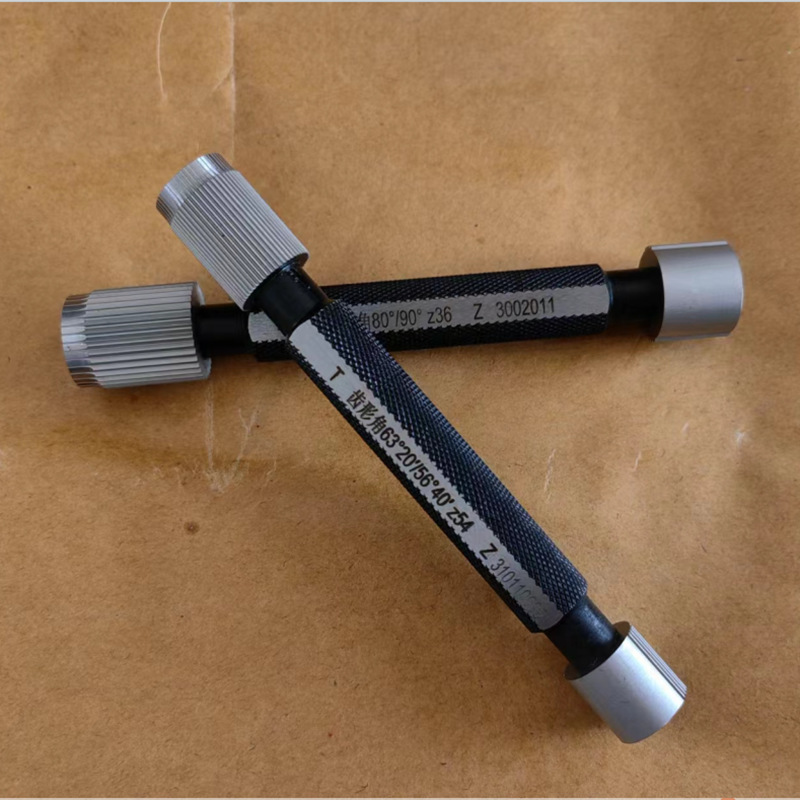
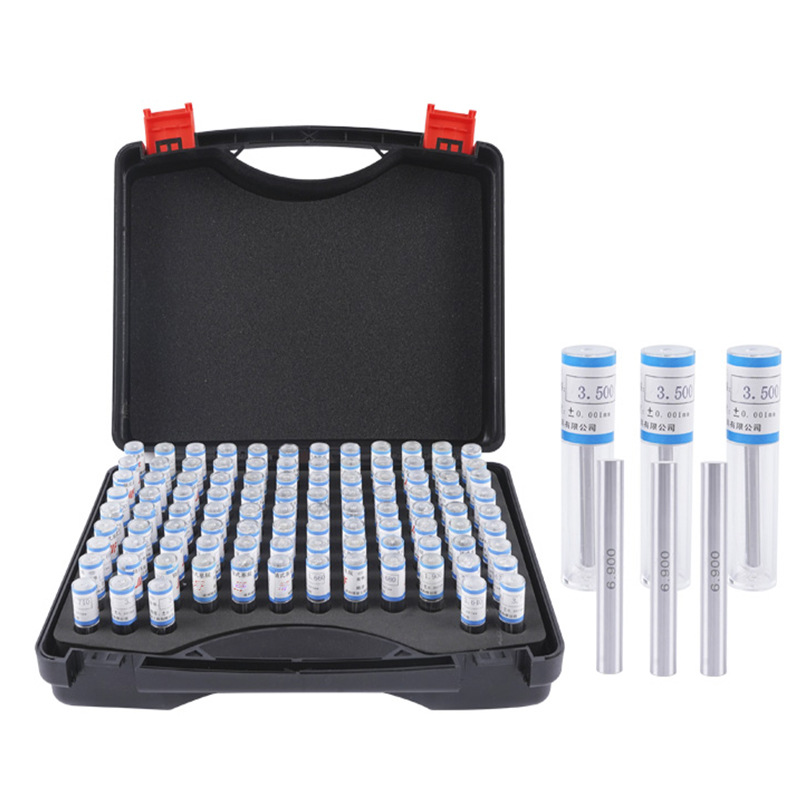
Using Ring Gauge for Precision Measurement in Quality Control Applications
ring gauge is used for checking .
Water valve fails to close properly and leaks persist
Troubleshooting a Water Valve That Won't Shut Off Encountering a water valve that refuses to shut of

What is the Use of a Thread Ring Gauge_
When it comes to precision in manufacturing and quality control, ensuring the accuracy of threads is
 English